On This Page
At Simply Oysters, we’re proud to work with our oyster farms and fisheries, who responsibly and sustainably grow and harvest farmed and wild oysters to produce a natural food source for people now and in the future.
Let’s take a look at the differences between farmed and wild oysters in the UK.
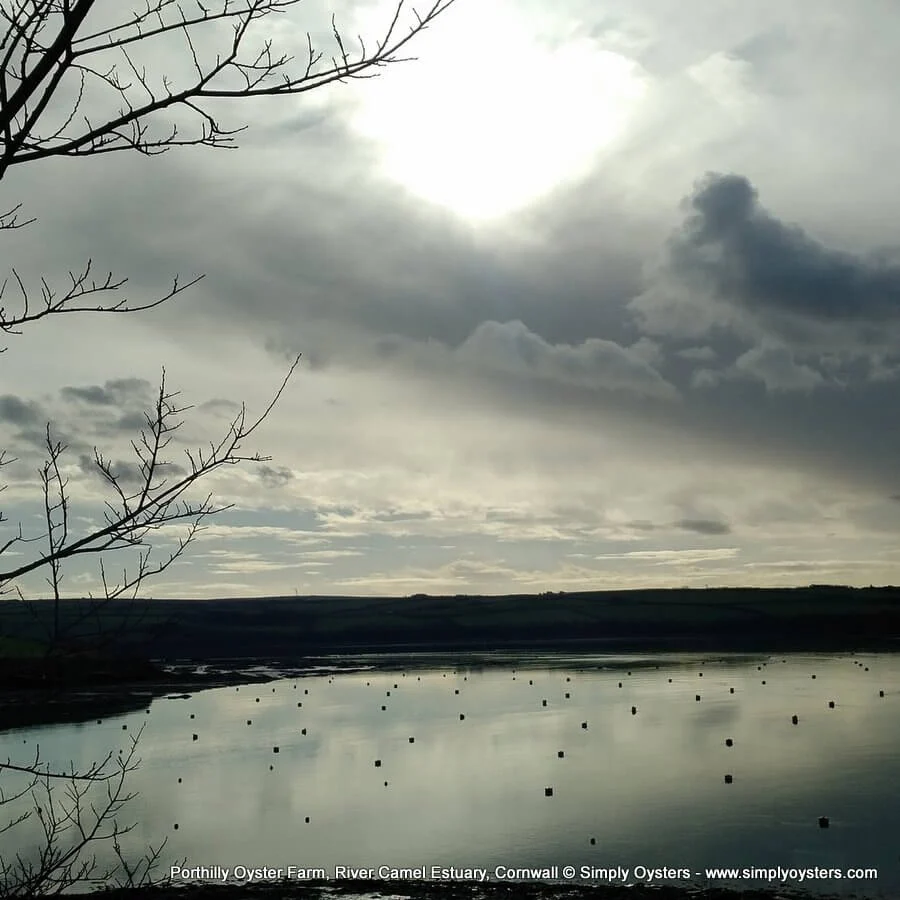
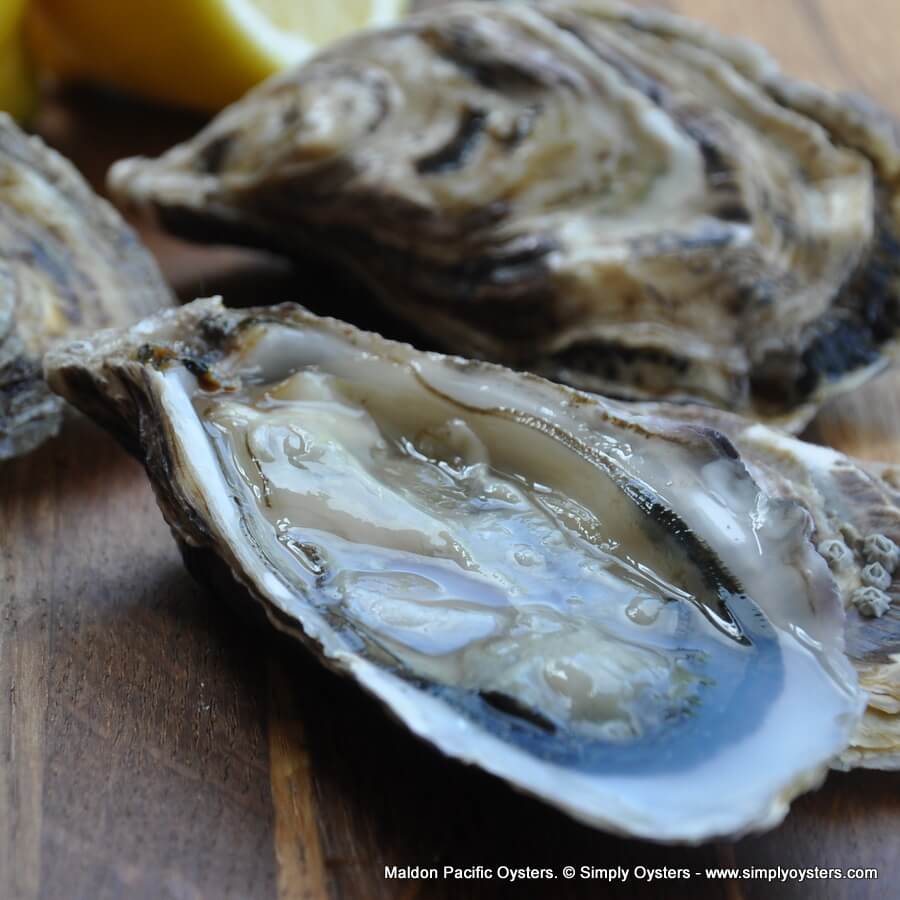
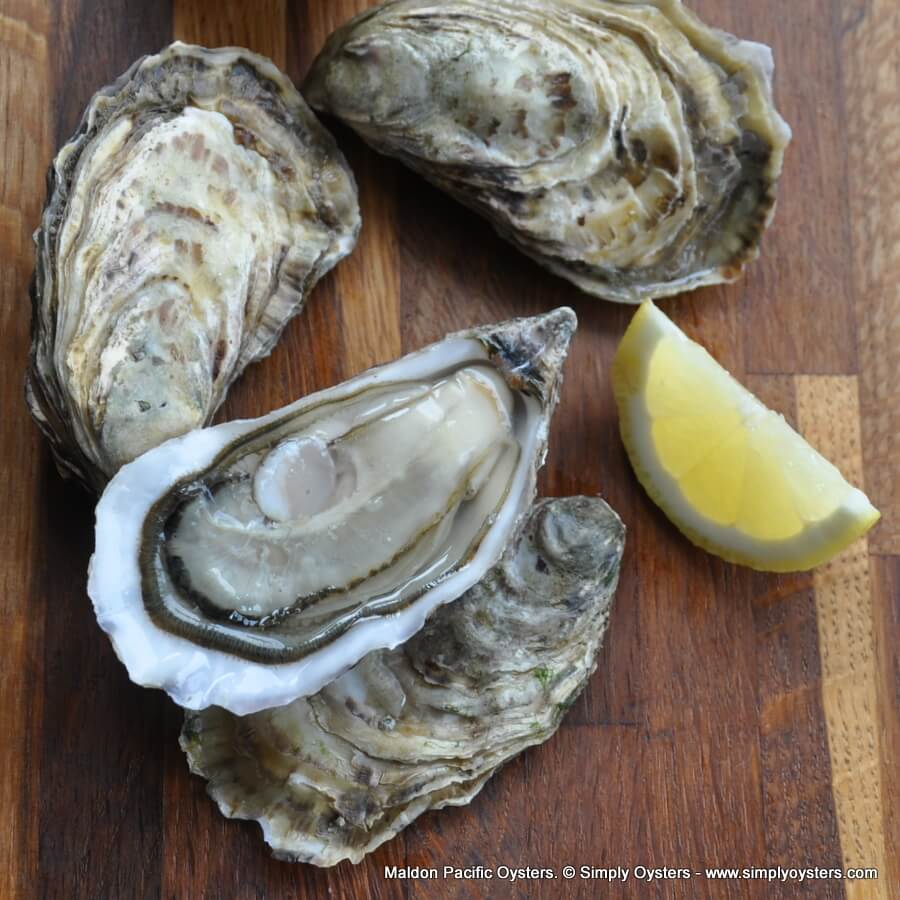
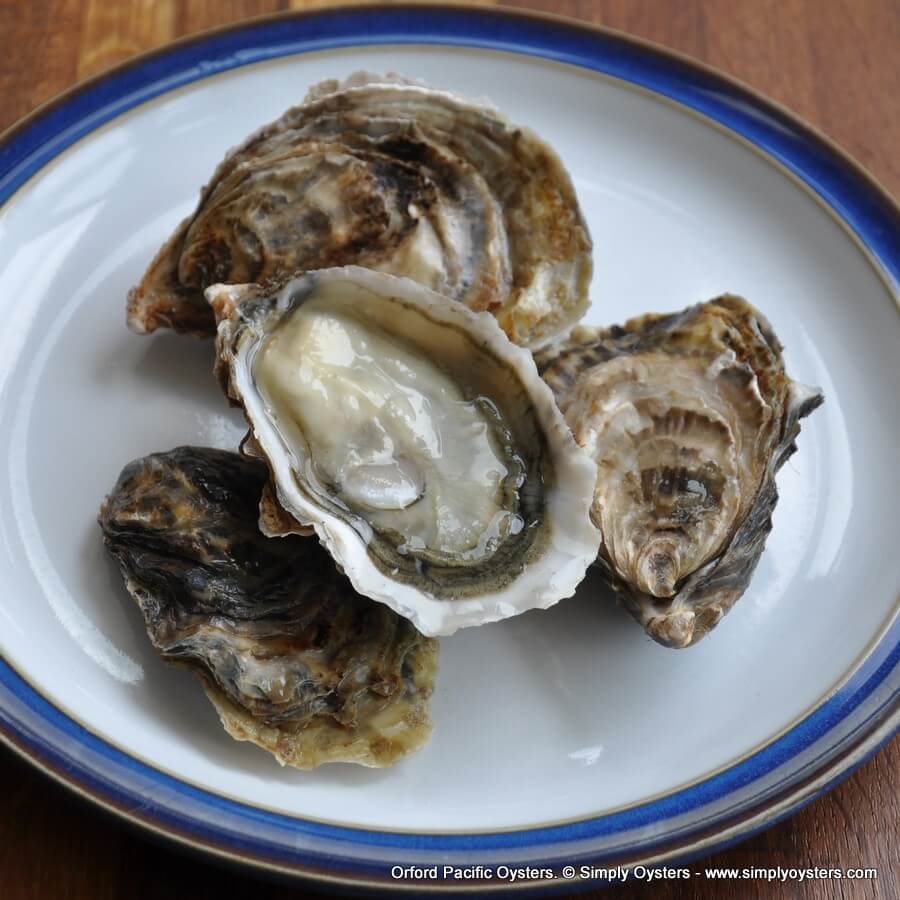
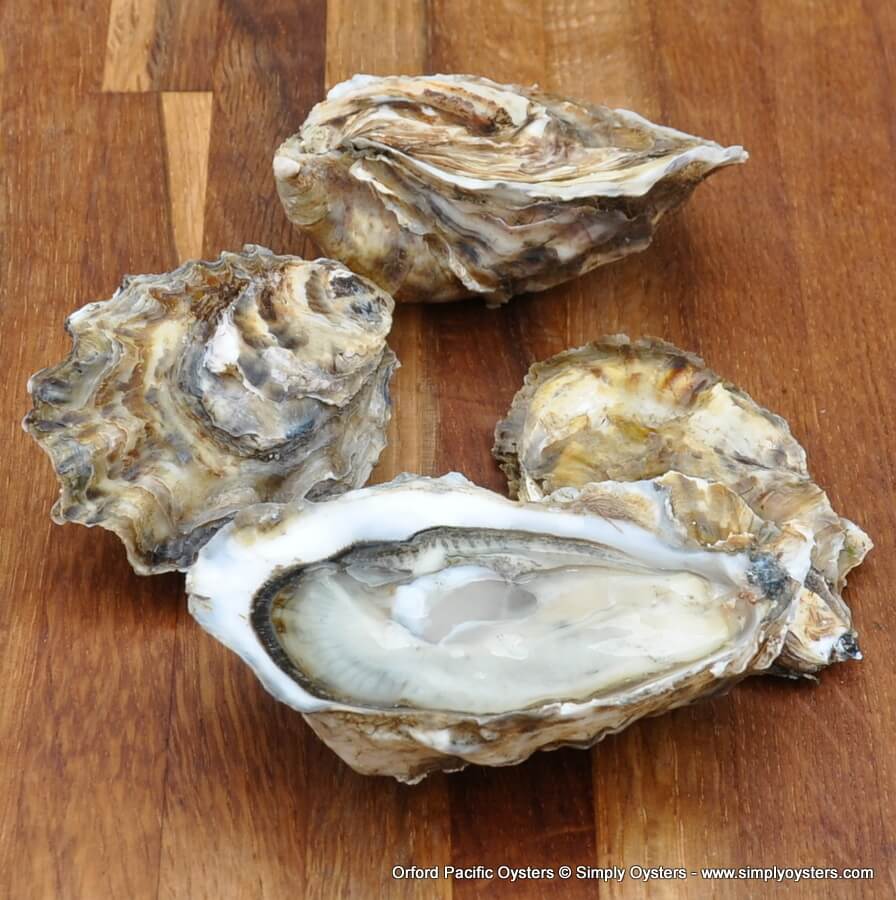
Farmed Pacific Oysters
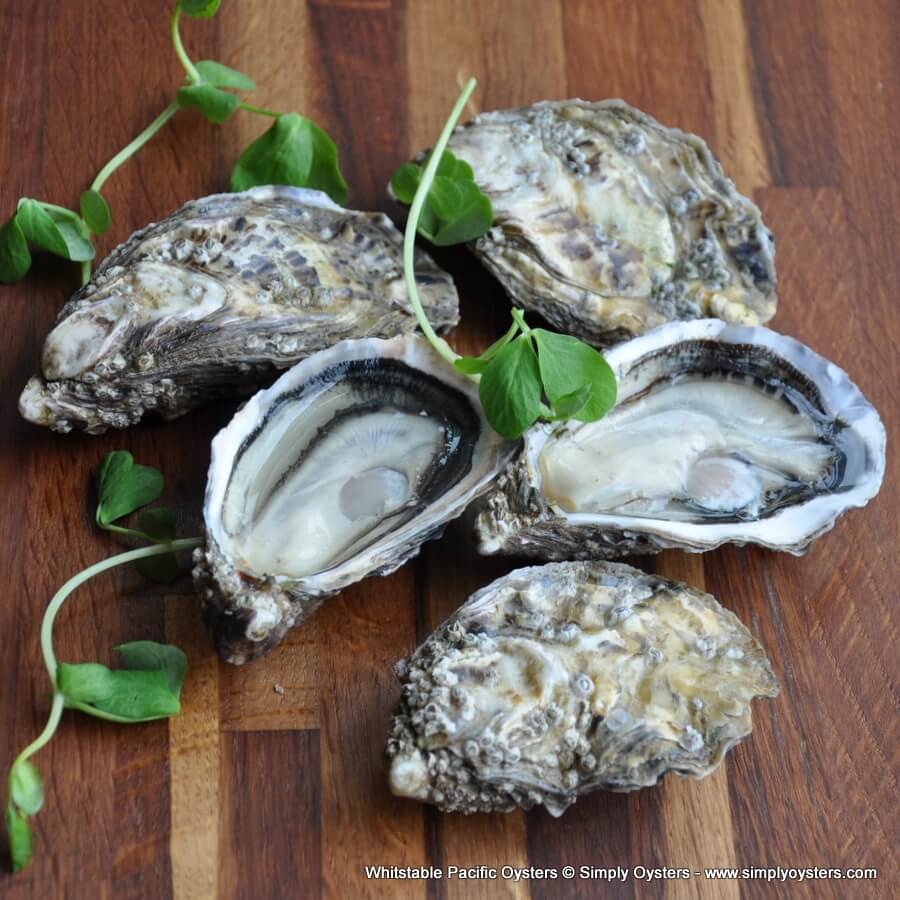
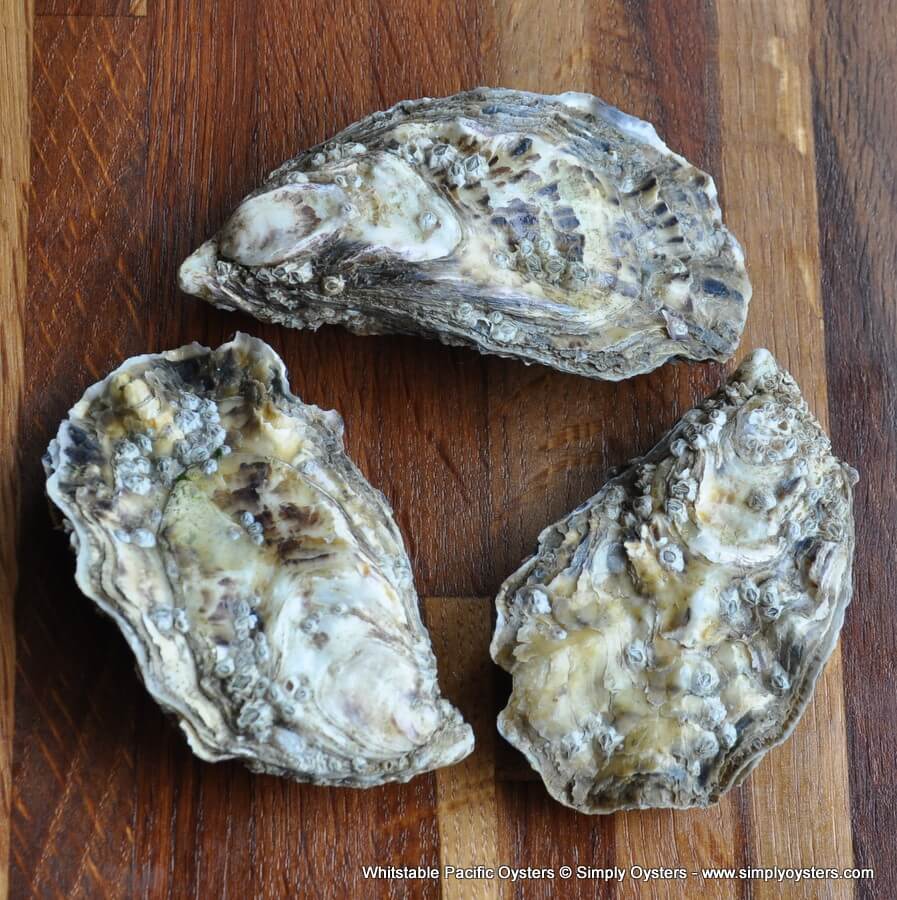
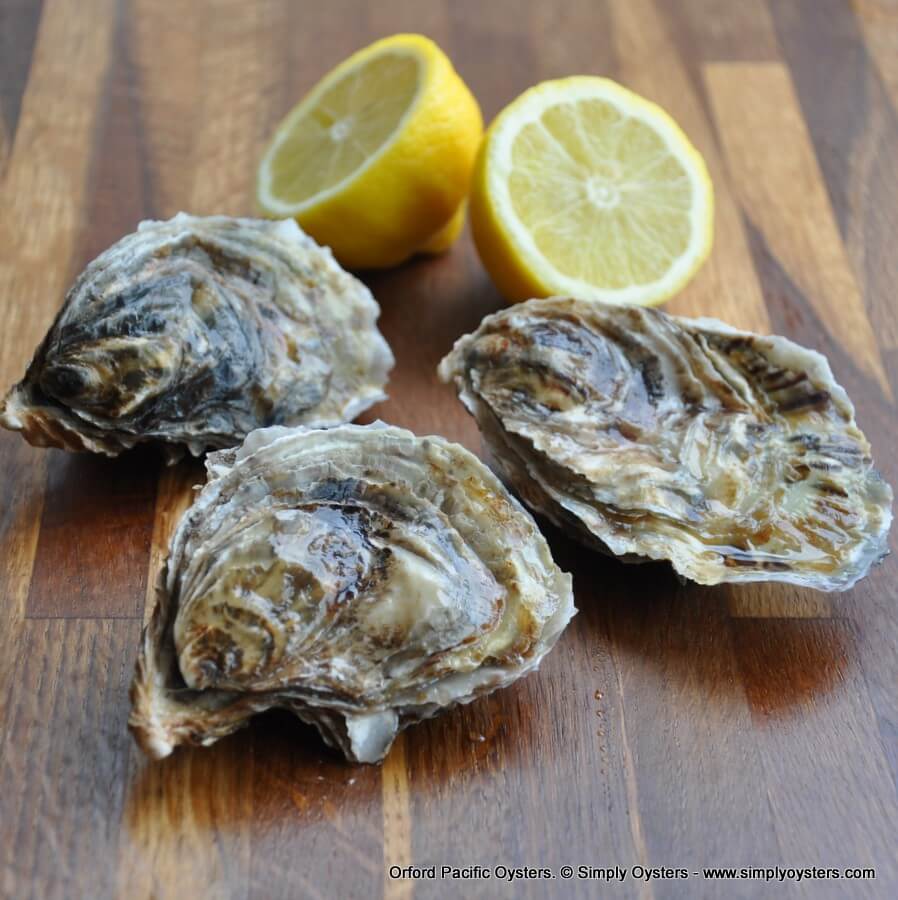
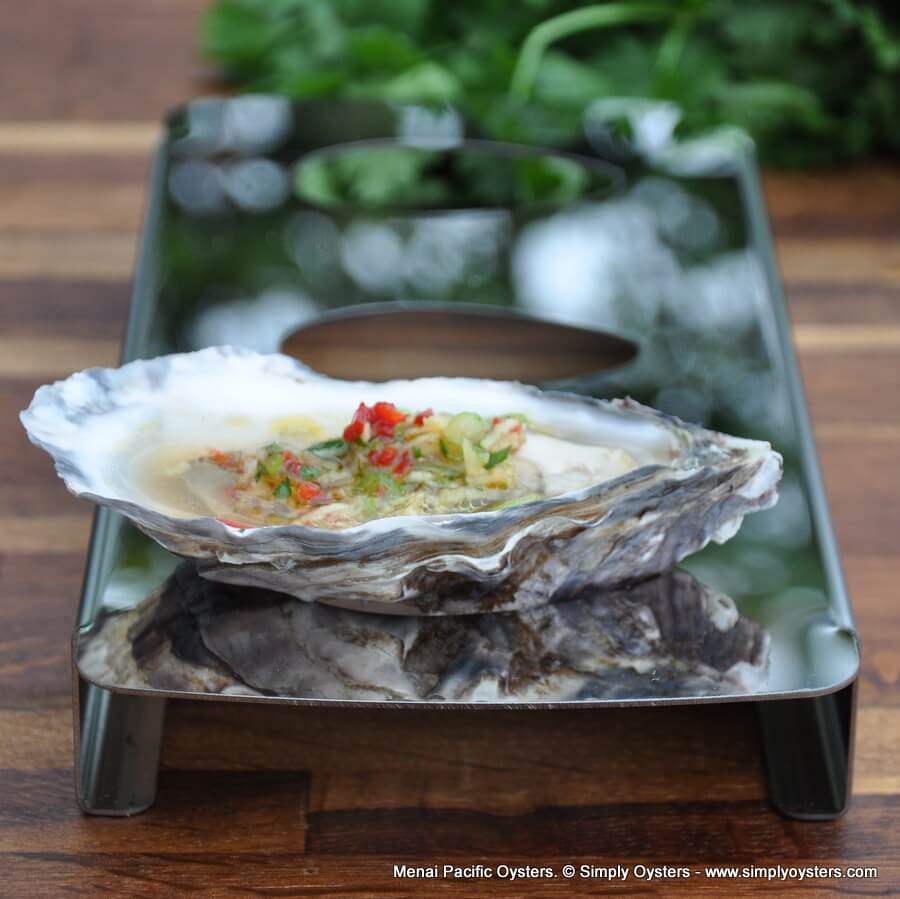
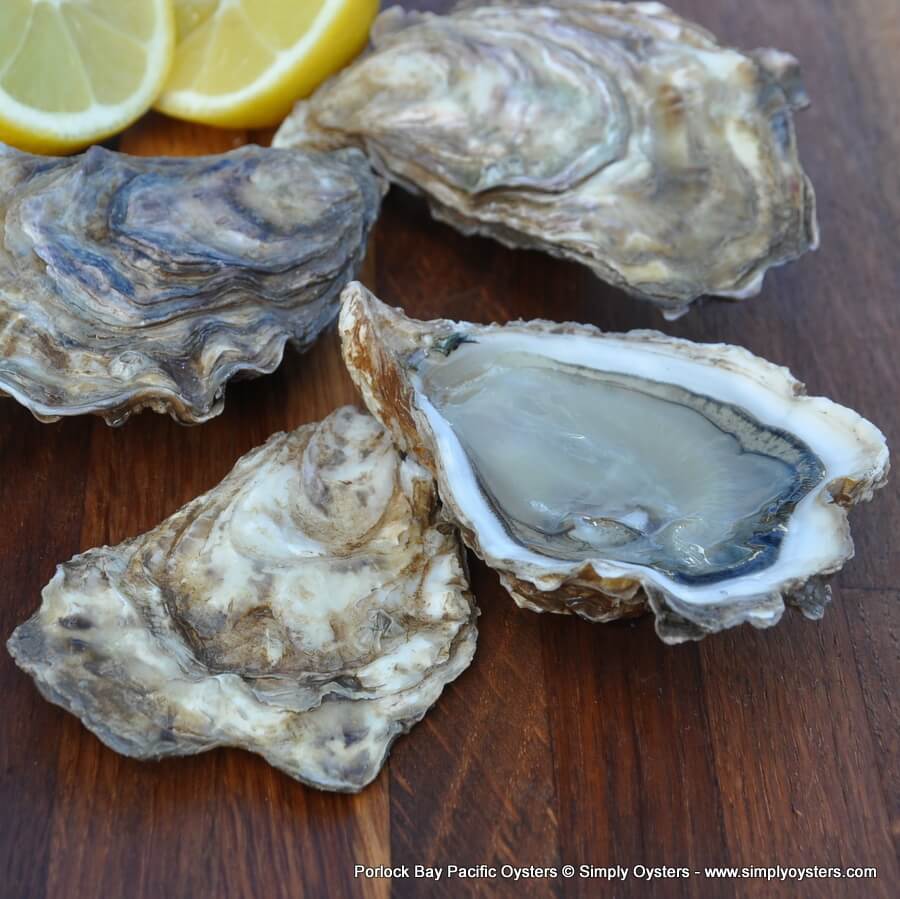
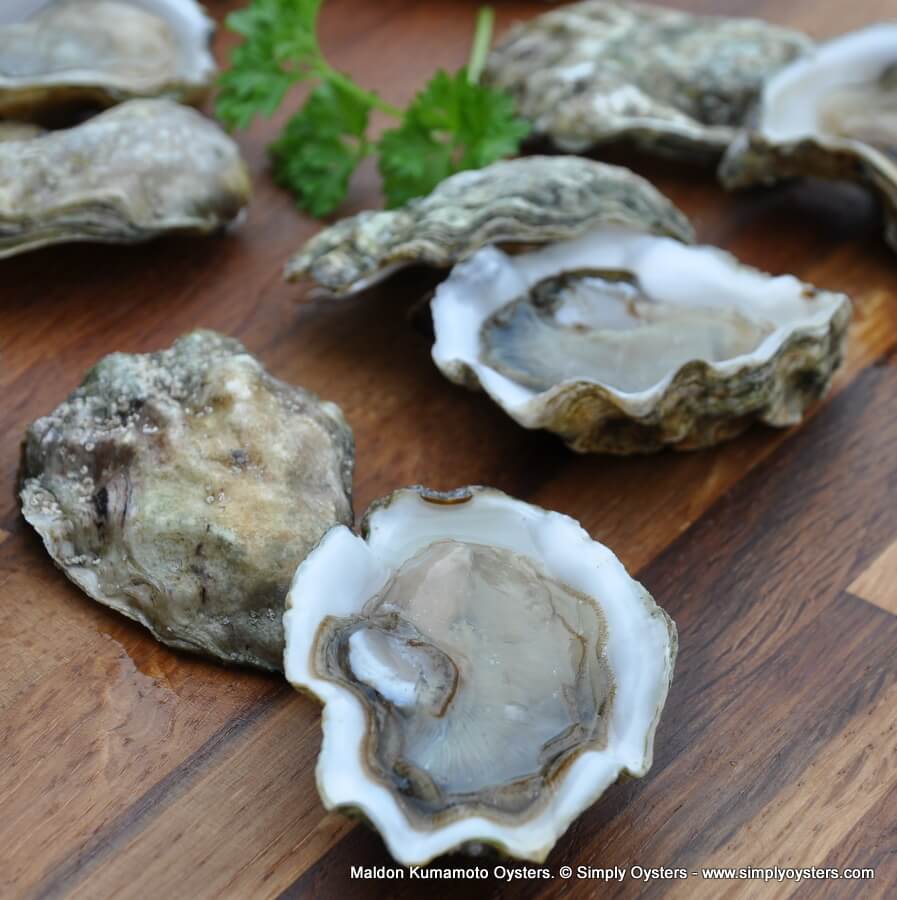
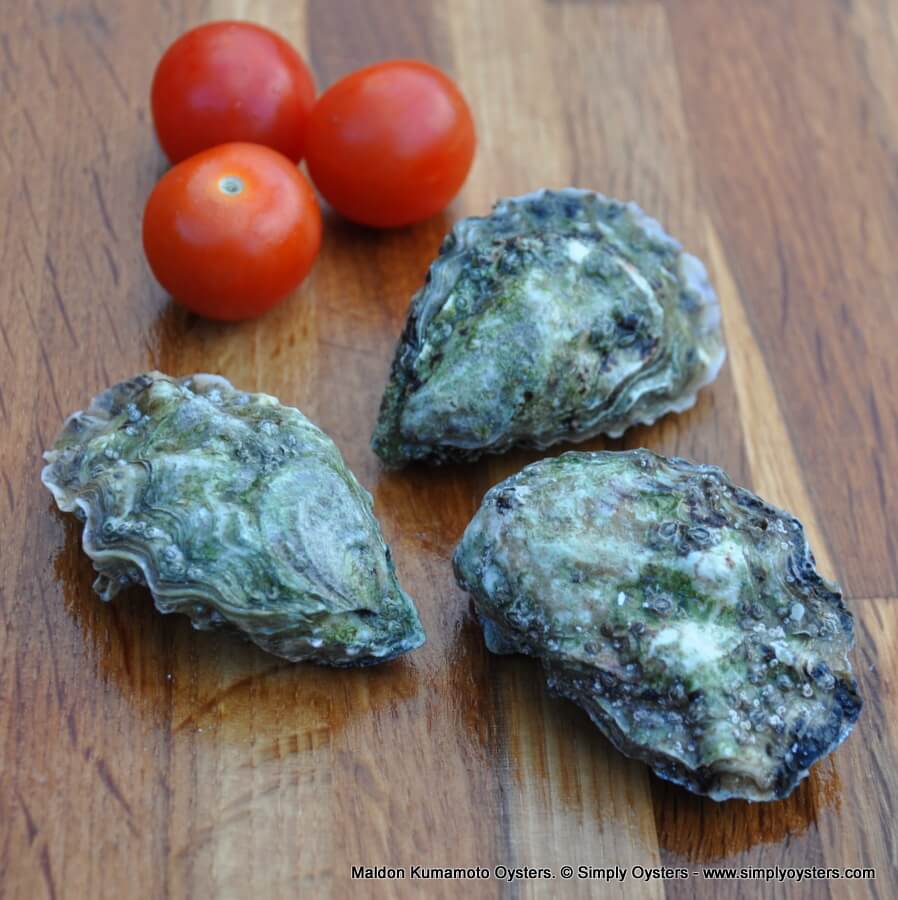
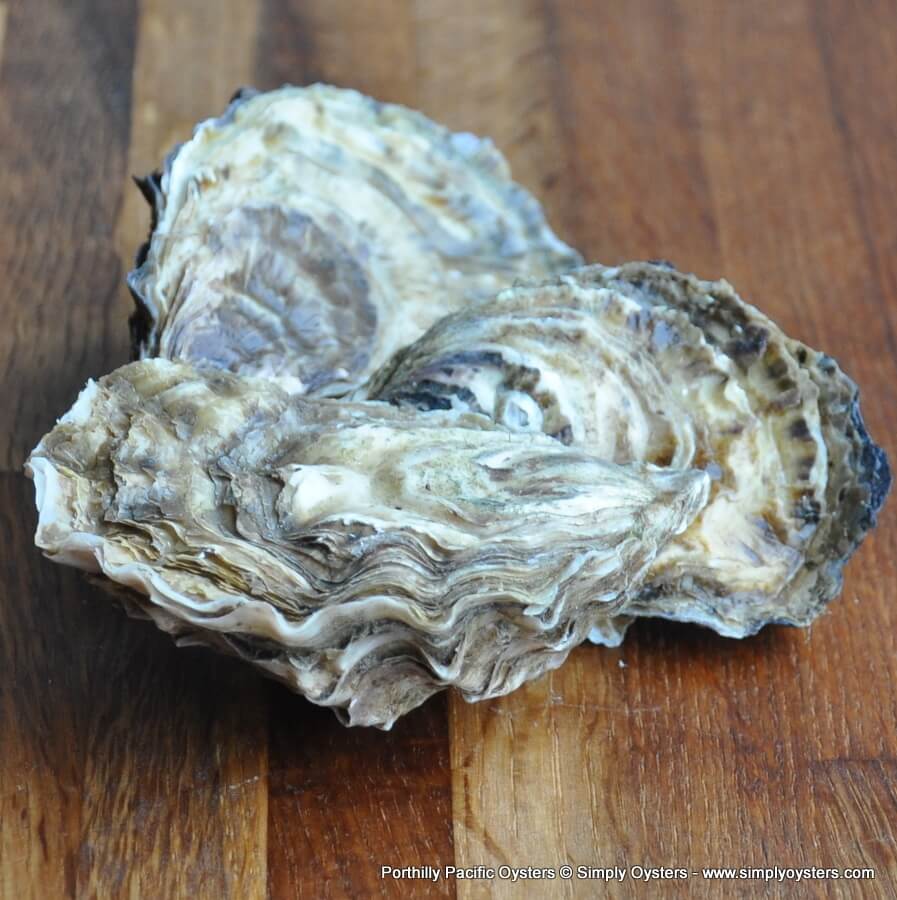
The Pacific Oyster (sometimes referred to as the ‘Rock’ Oyster) is the most commonly farmed oyster in the UK and the world. In fact, the Pacific Oyster represents over 98% of all farmed oysters in the world today.
The Pacific Oyster is the preferred choice by almost all oyster farmers worldwide. The Pacific Oyster is robust, and takes 18 to 36 months to develop to market size. The time taken to reach market size is dependent on several factors, such as tides, nutrients, climates, weather etc.
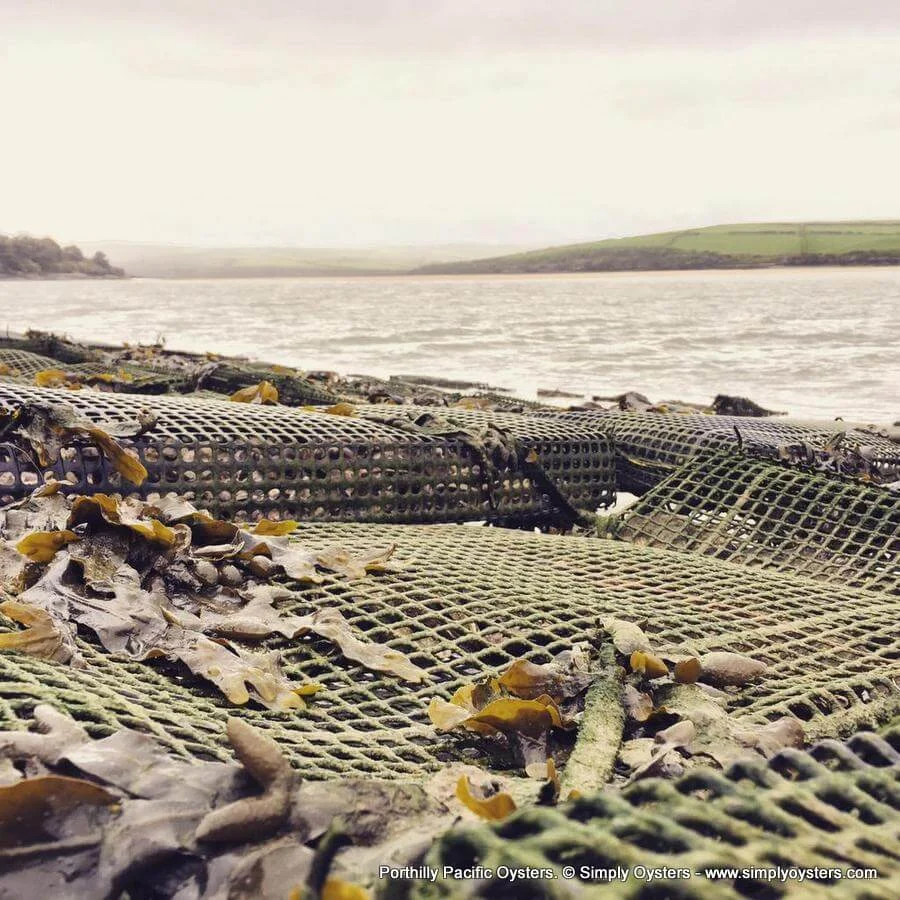
The Pacific Oyster is grown and cultivated from seed to market size at licensed oyster farms, under labour intensive methods (known as ‘Aquaculture’). These oyster farms are carefully chosen for their superior site location, brackish waters (salinity, nutrients, temperature etc.), tides, weather, climates and seasons.
From seed to market
At a glance
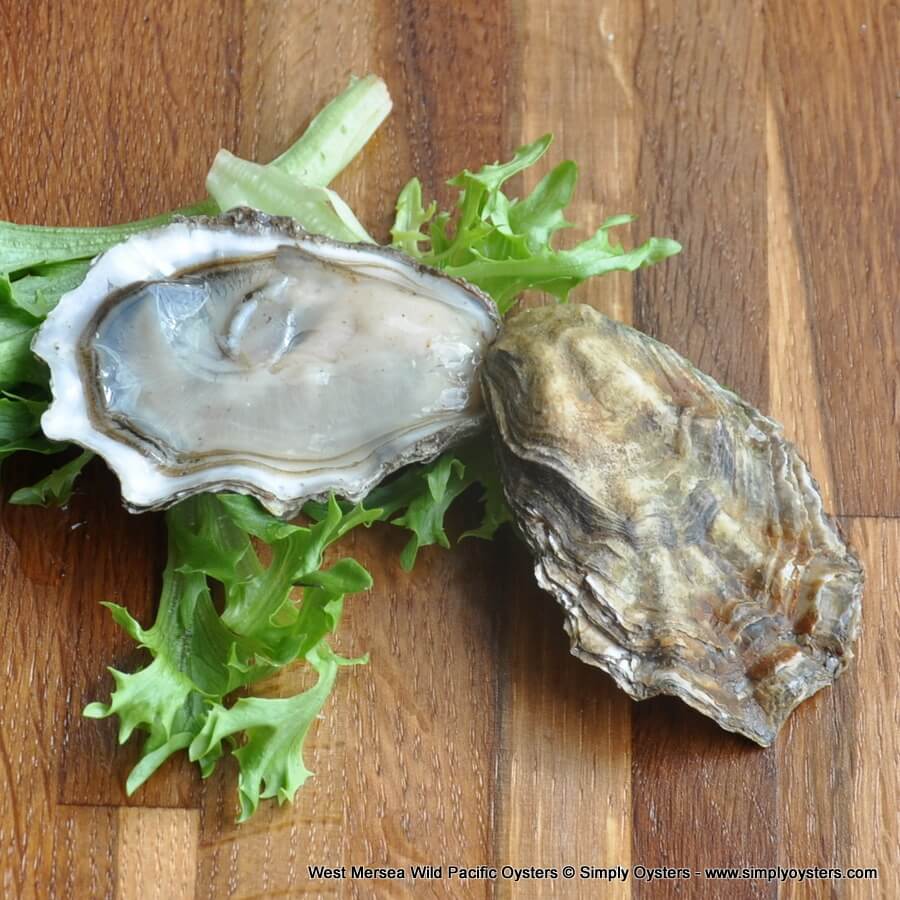
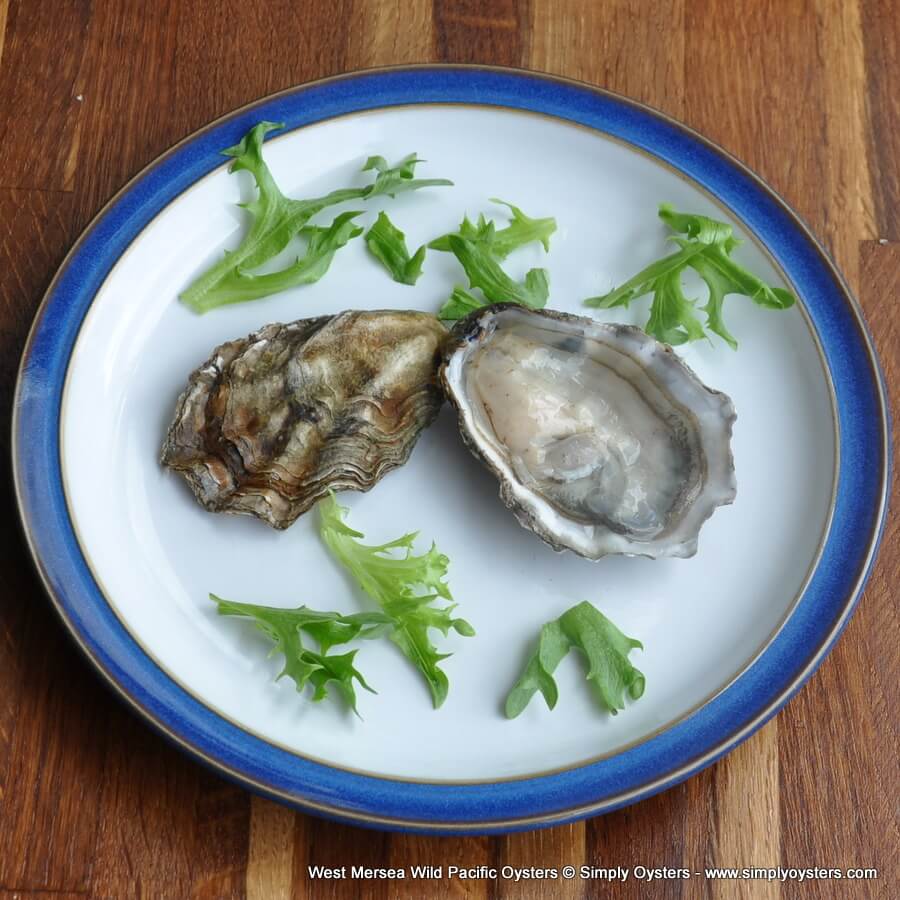
Wild Pacific Oysters
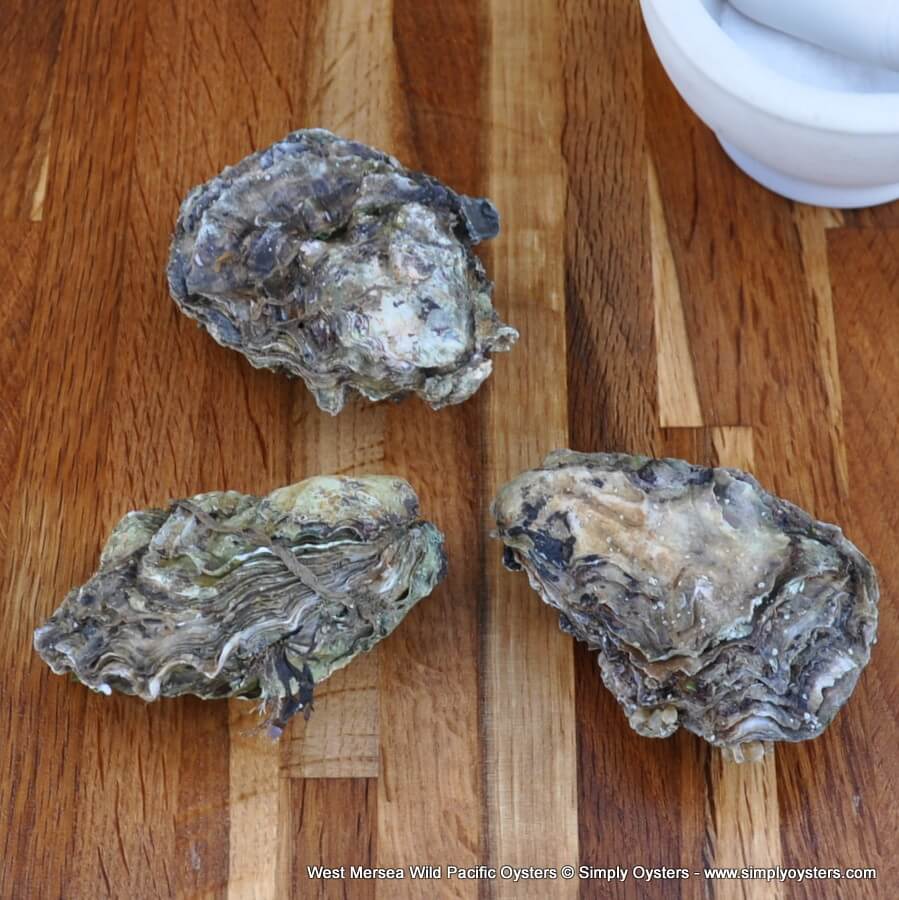
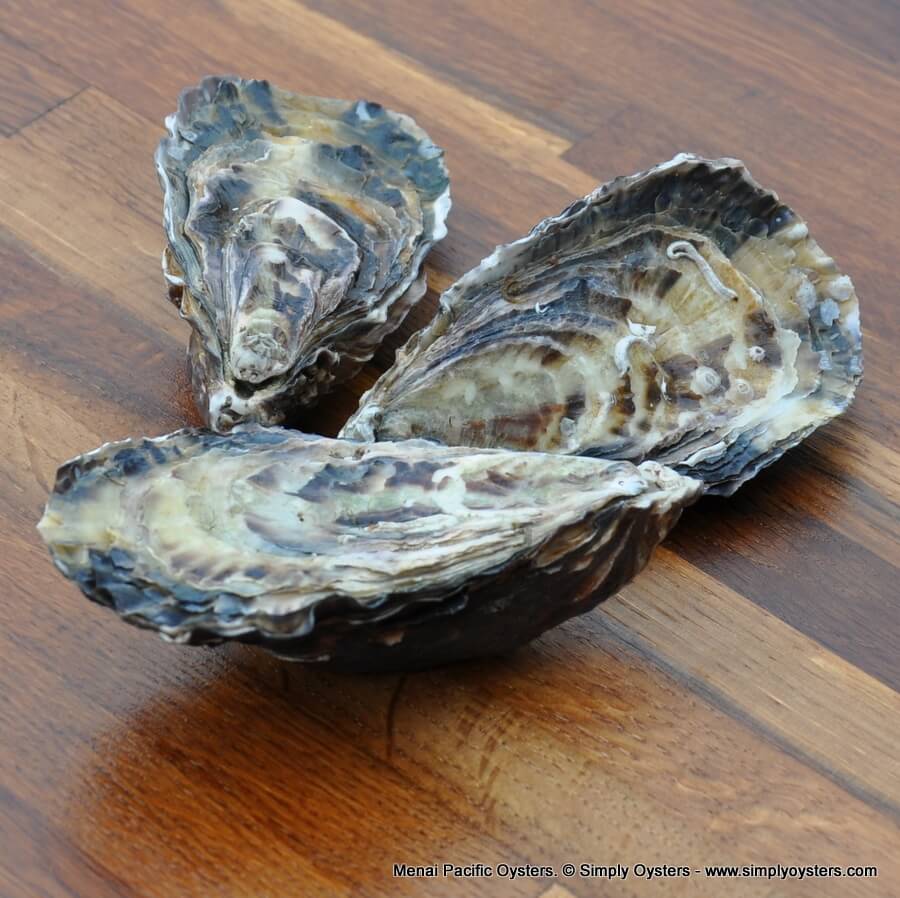
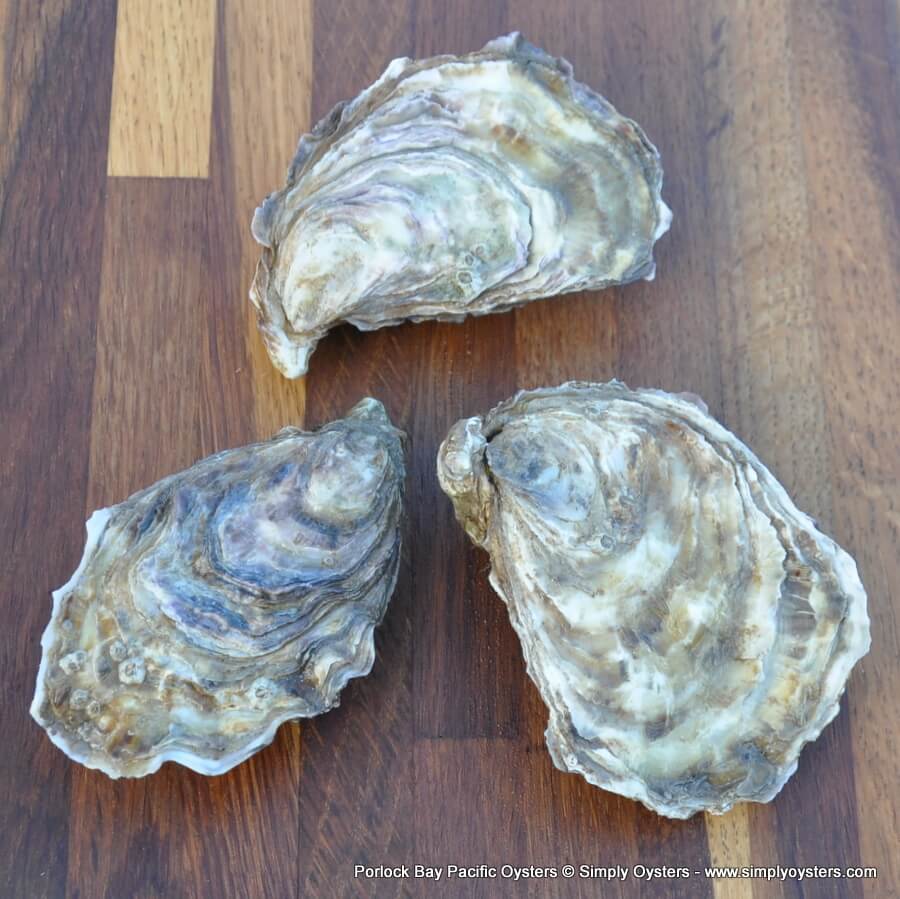
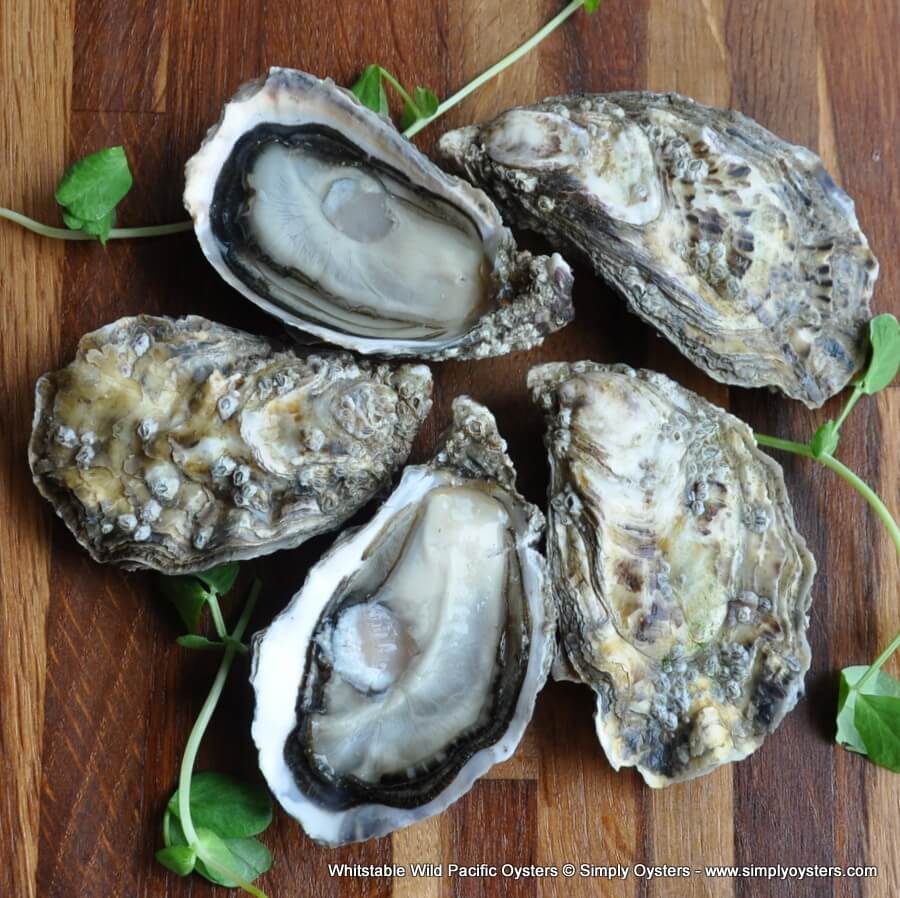
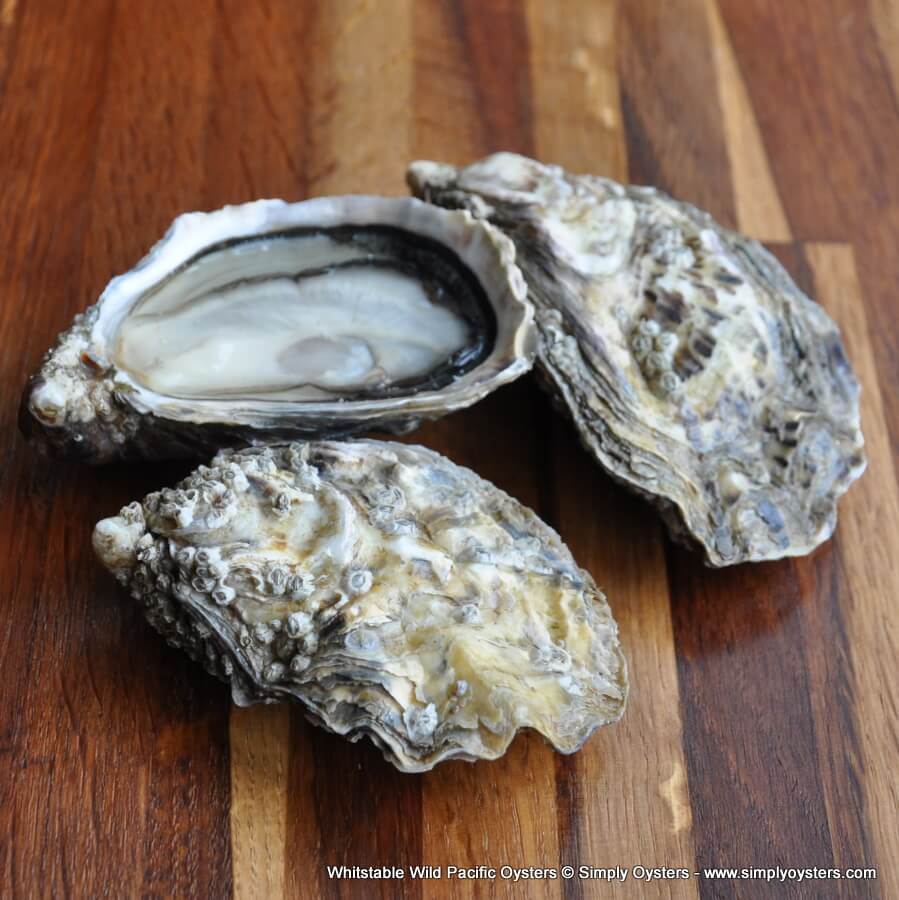
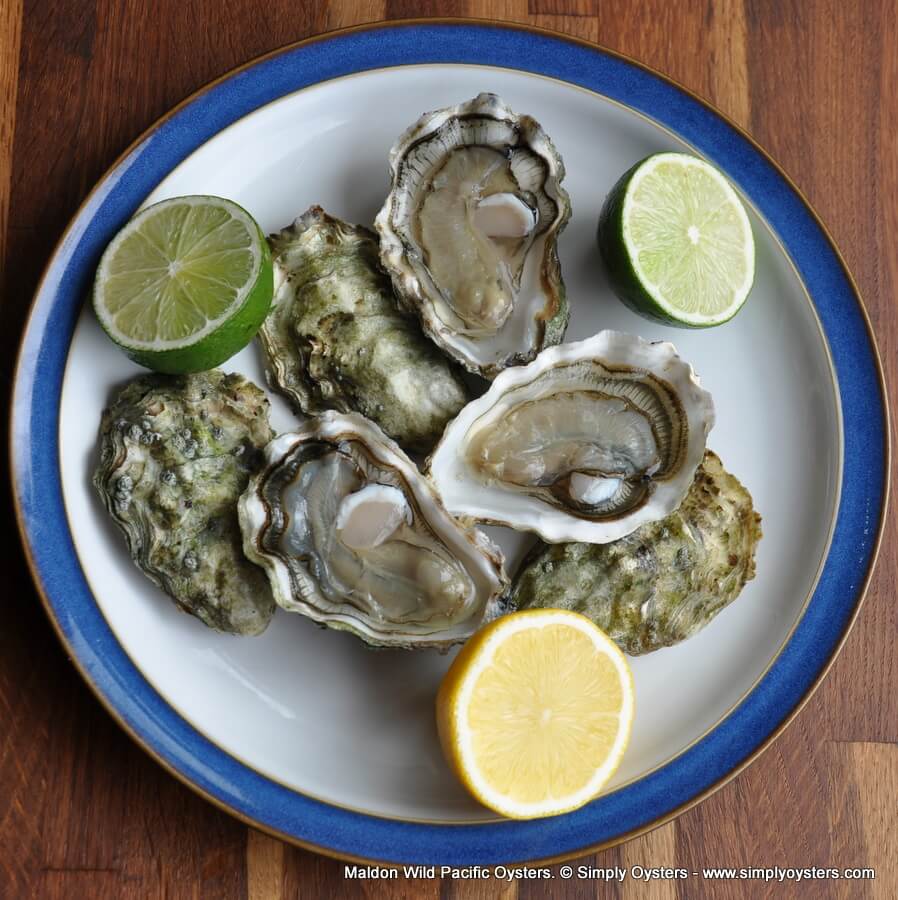
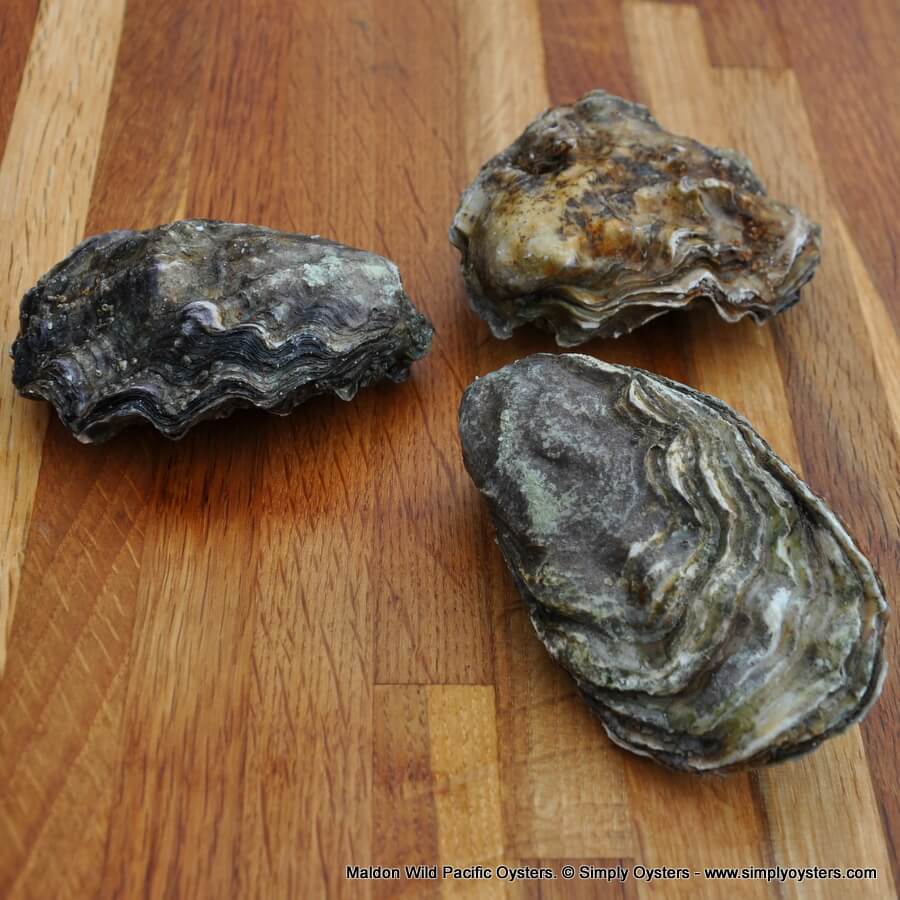
The Pacific Oyster is responsibly and sustainably farmed from waters in the UK (see ‘Farmed Pacific Oysters’ above). However, the Pacific Oyster is also wild and sustainably fished from certain waters in the UK.
Grown wild on the seabed, the Wild Pacific Oyster is robust, and takes 24 to 36 months to develop to market size. The time taken to reach market size is dependent on several factors, such as tides, nutrients, climates, weather etc.
Wild Pacific Oysters are hand-picked at low tide or fished by oyster fishermen.
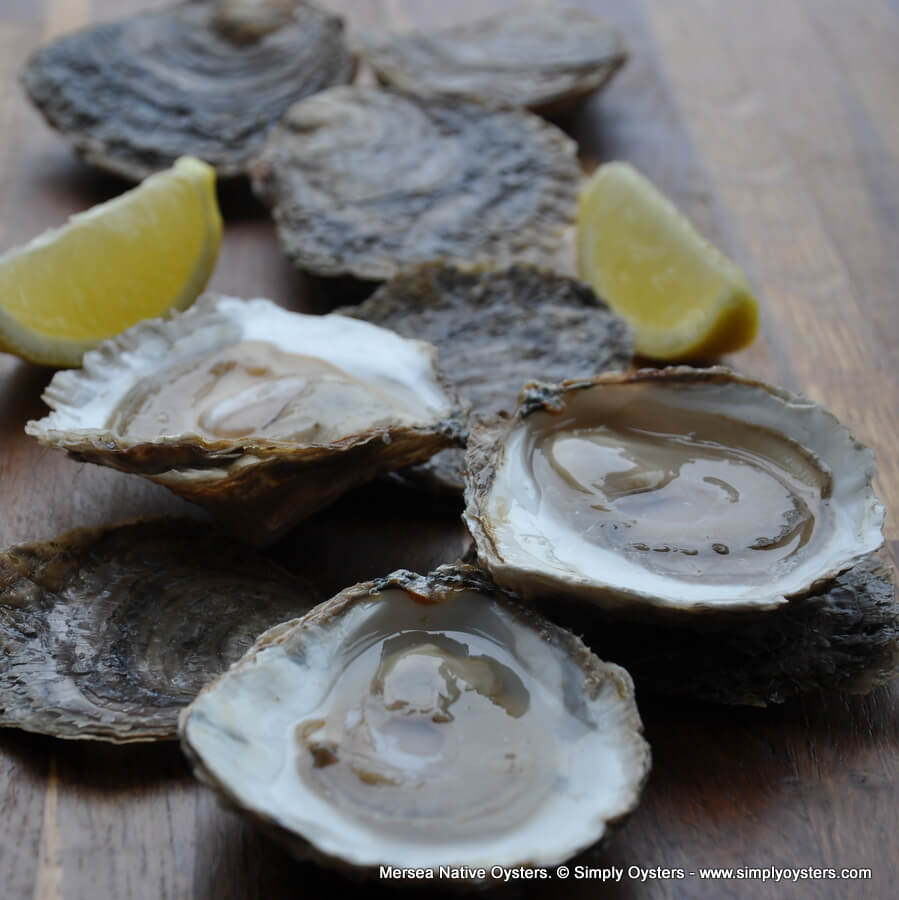
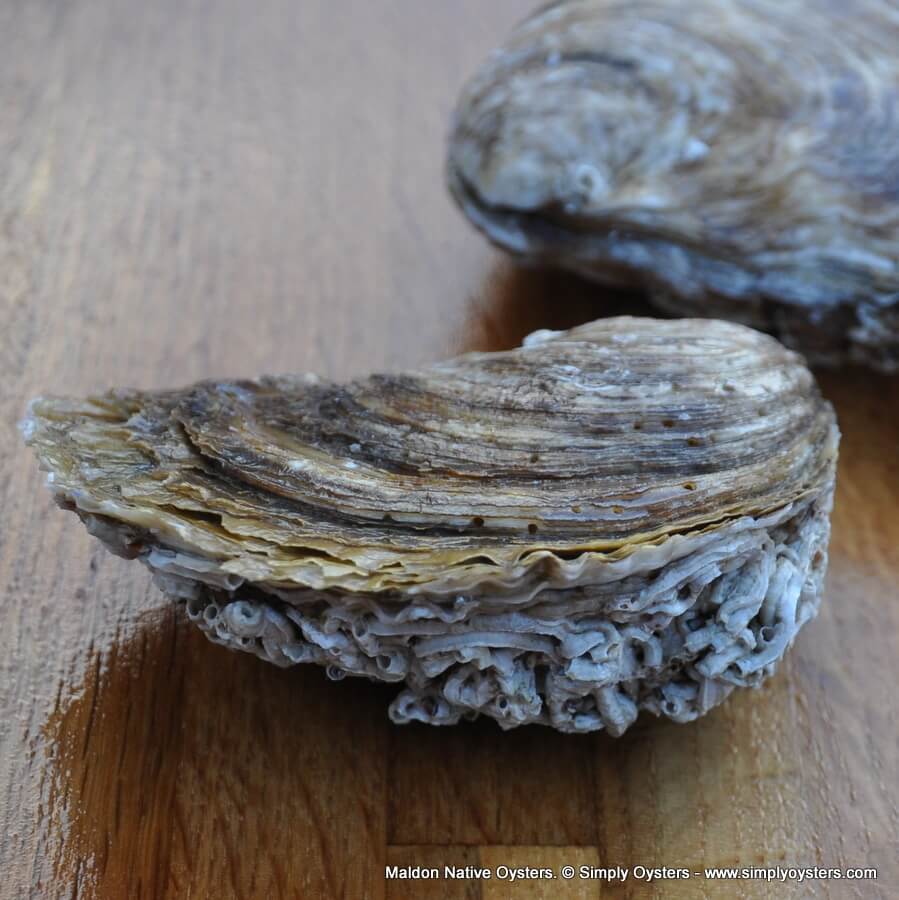
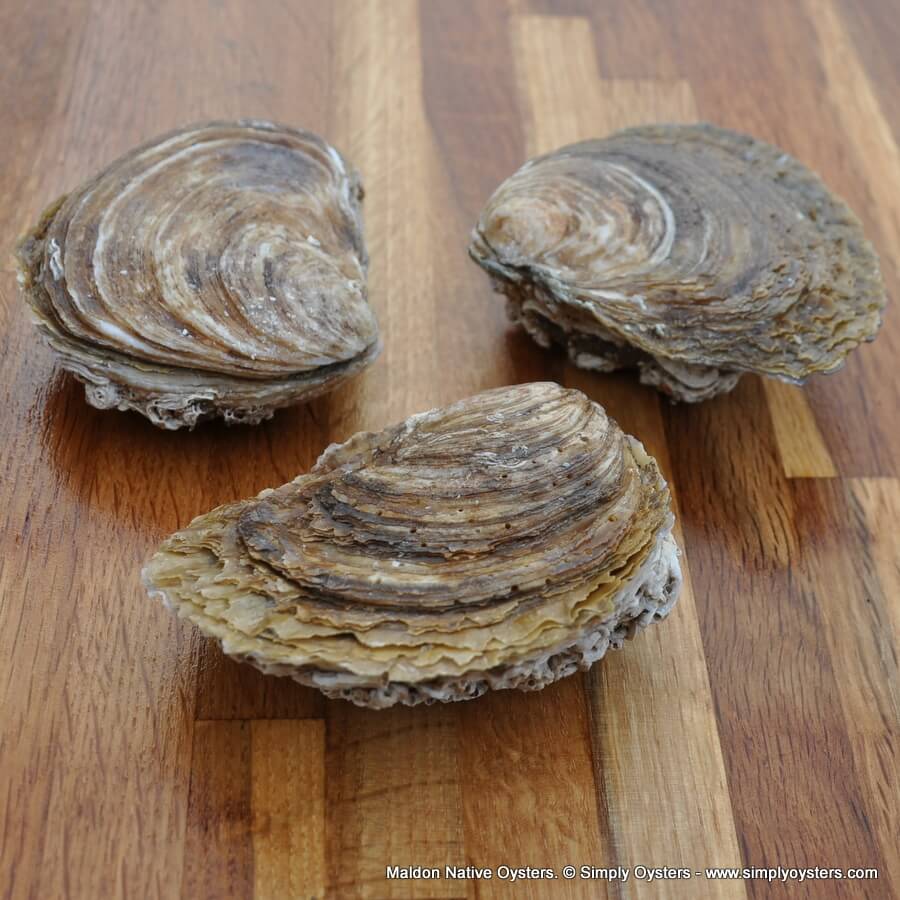
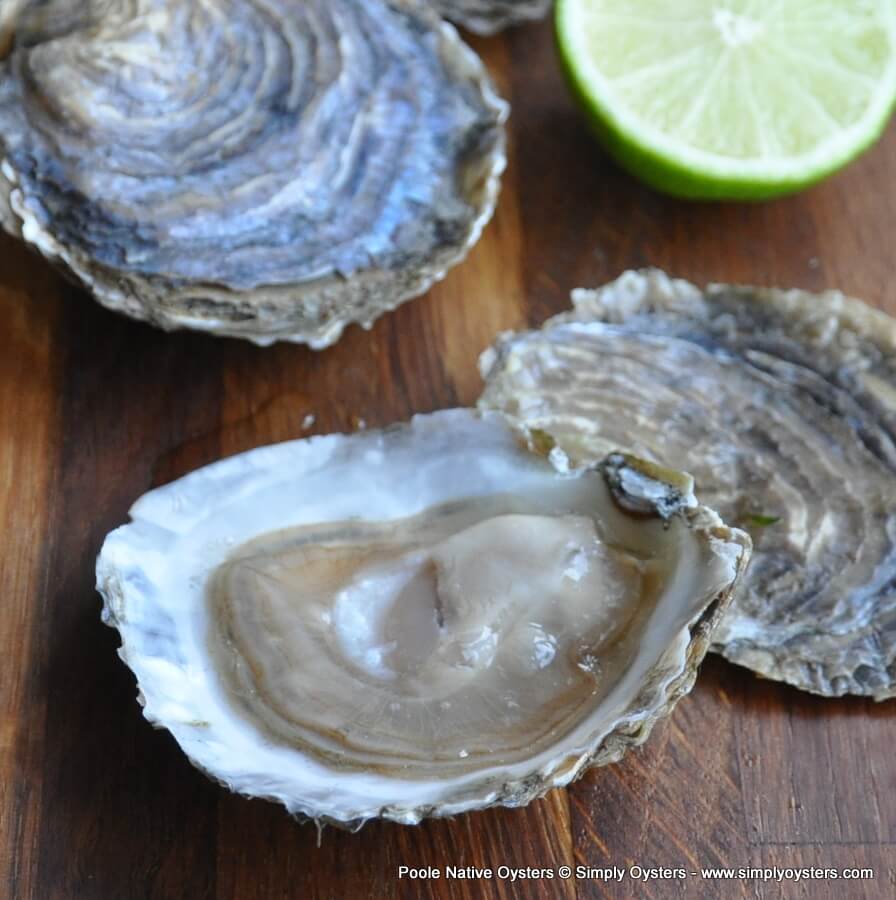
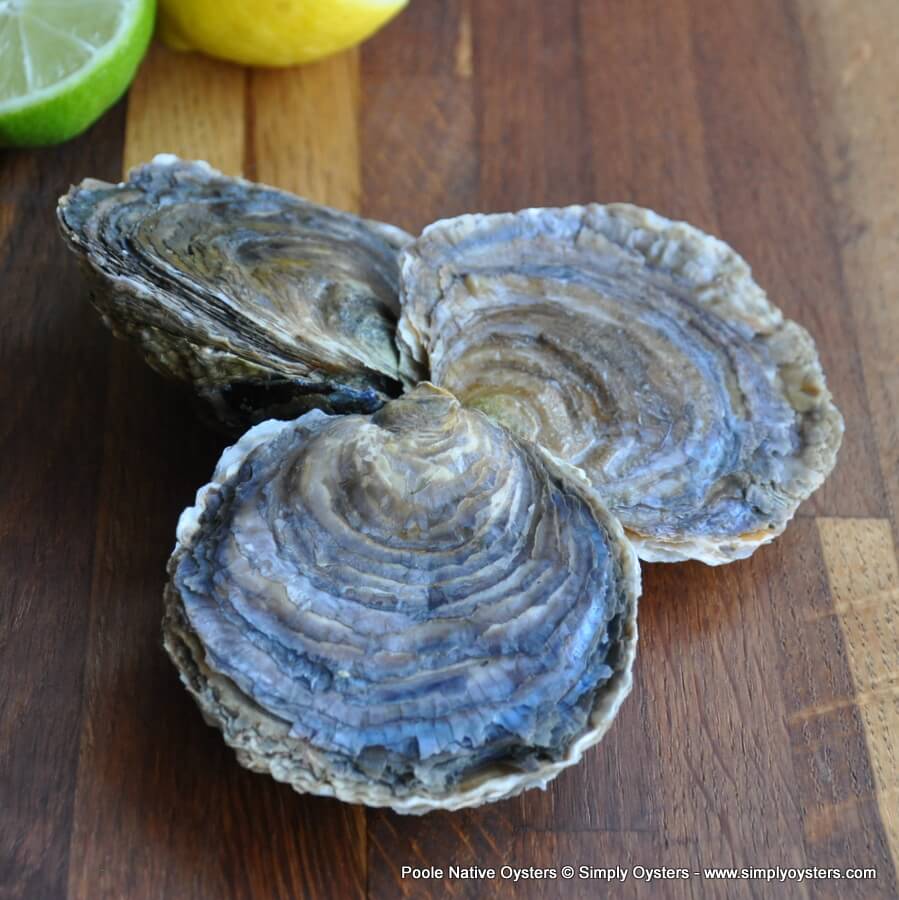
Native Oysters
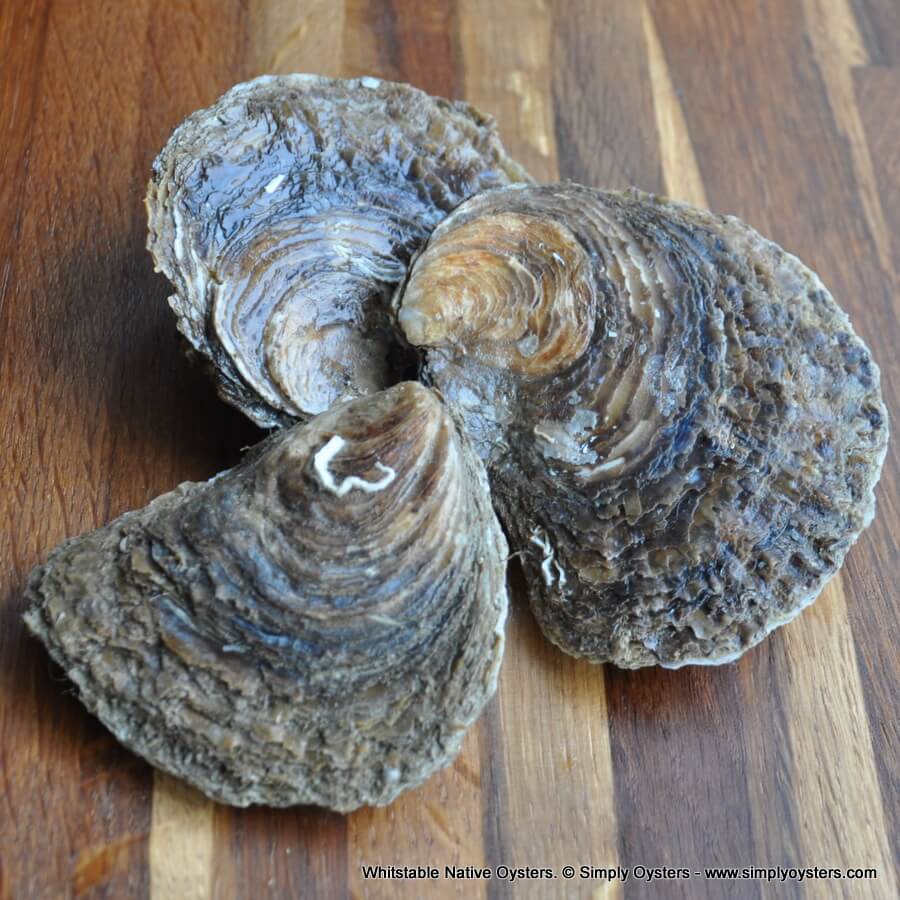
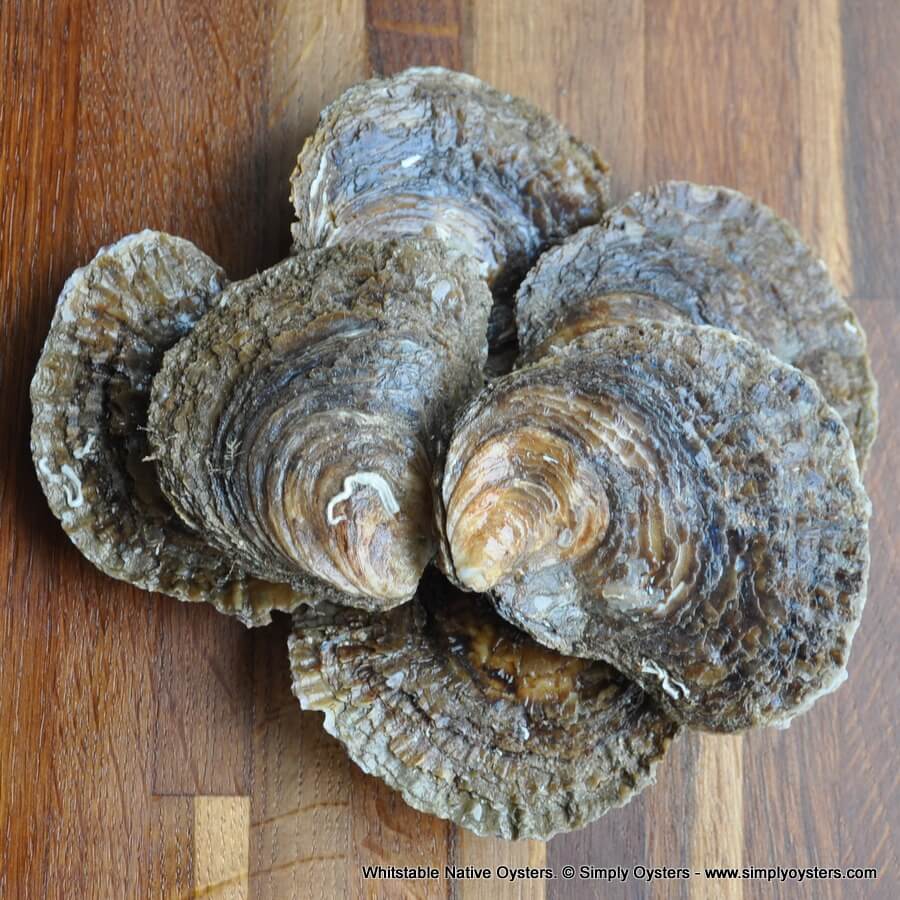
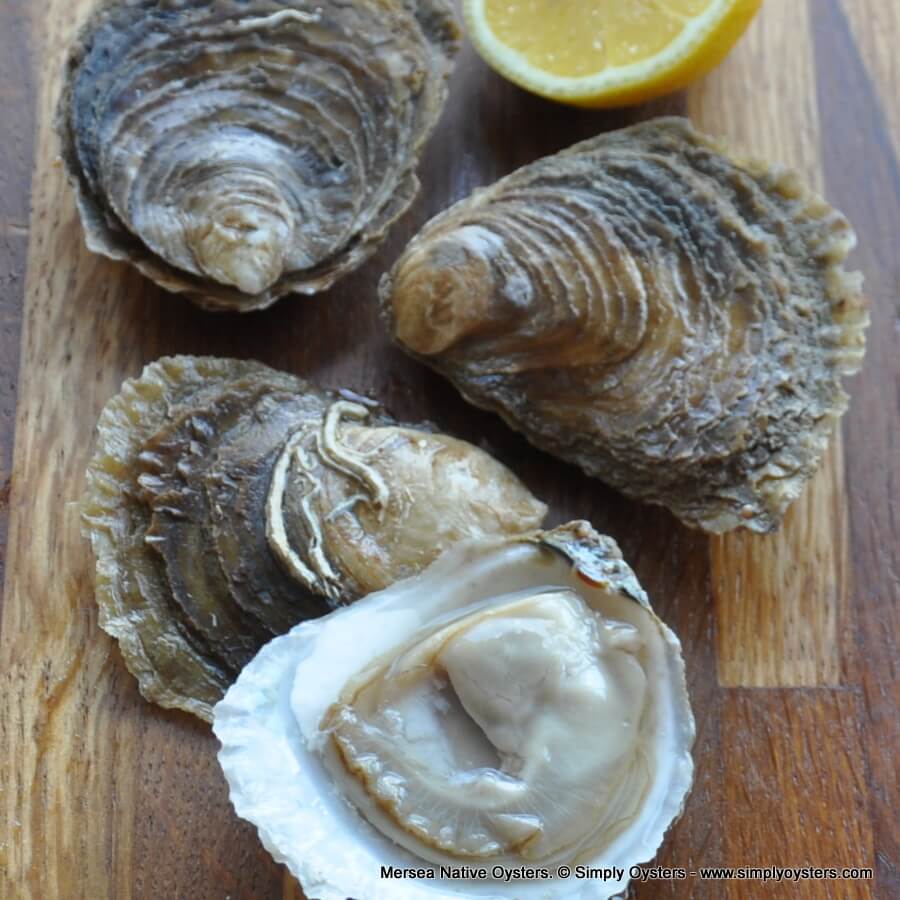
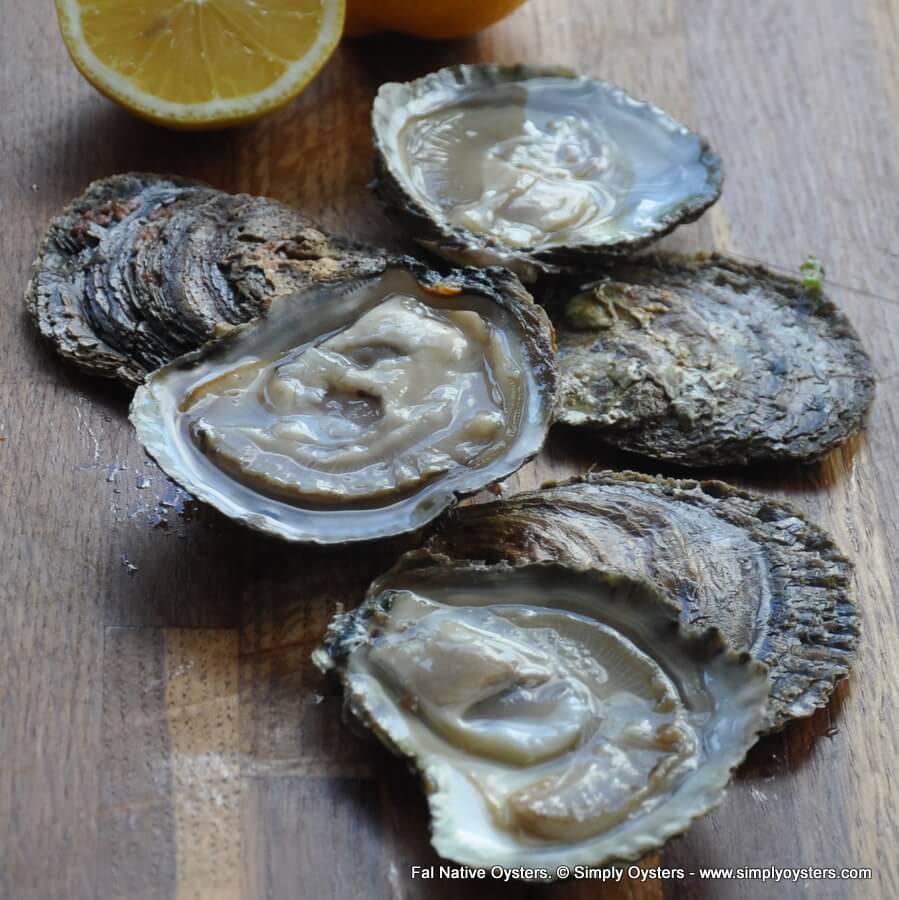
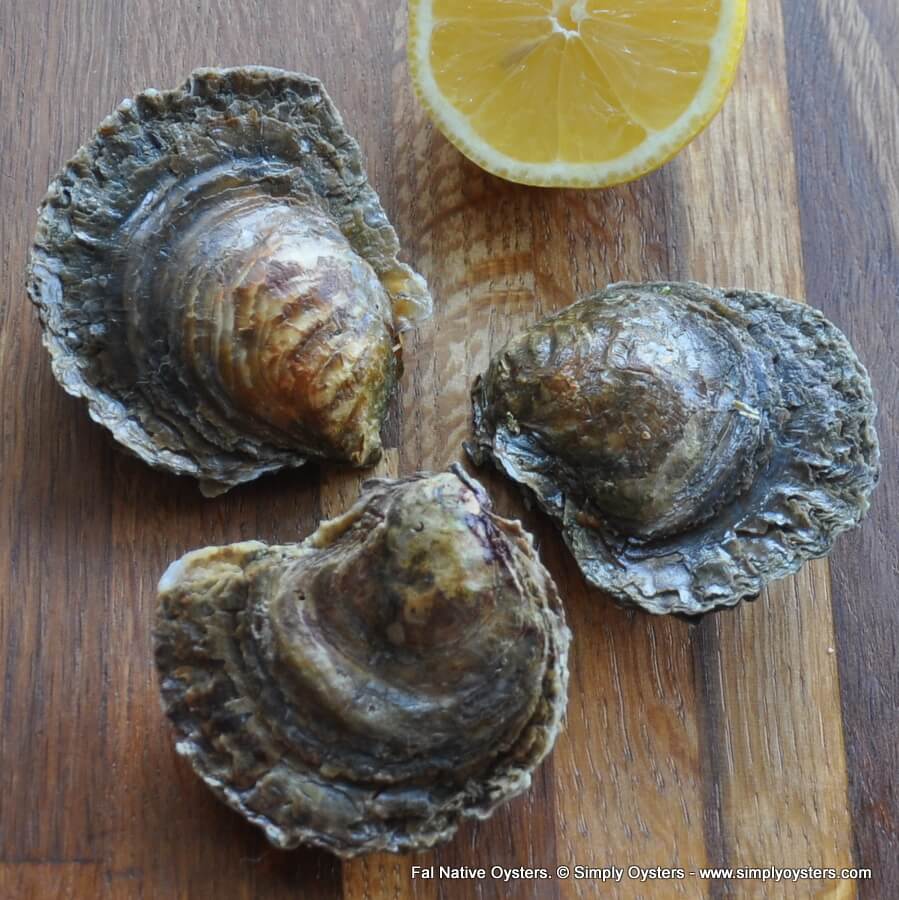
The Native Oyster is almost always wild and sustainably fished from certain waters in the UK.
The Native Oyster is almost always never farmed as it is unreliable and uneconomic to do so. For example, the Native Oyster can be fragile and affected by marine and environmental factors (for example water salinity, water temperature, weather and seasons), which can increase mortality rates. Also, the Native Oyster takes a slow 48 to 60 months to develop to market size. Whereas the Farmed Pacific Oyster is robust and takes ‘only’ 18 to 36 months to reach market size.
The Native Oyster develops from seed to adult size in the wild on the sea bed, and has been fished from certain UK waters since Roman times. Today, these wild oyster fisheries are licensed, and include waters as diverse as: River Blackwater in Essex; Whitstable Bay in Kent; River Fal in Cornwall; and Loch Ryan in Dumfries and Galloway.
UK laws and conservation controls ensure that wild Native Oyster stocks remain sustainable for the future. For example, governed by ancient laws, Cornish Native Oysters and Fal Native Oysters may only be fished from the River Fal (which is part of the Truro Oyster Fishery) from 1 October to 31 March by licensed fishermen, who must use sail or oar vessels, and haul their catch aboard by hand or hand winch. No motor or mechanical power is allowed.
The Native Oyster is fished for sale from 1 September (at the earliest) to 30 April each year. This is known as the Native Oyster season (in other words, the months of the year that contain the letter ‘r’). By law, Native Oysters cannot be fished for sale outside of the Native Oyster season.